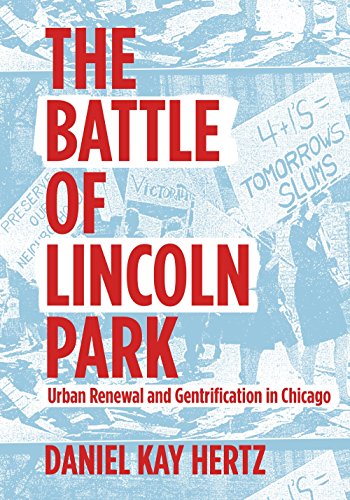
A brief, cogent analysis of gentrification in Chicago?.?.?. An incisive and useful narrative on the puzzle of urban development (Kirkus).
In the years after World War II, a movement began to bring the middle class back to the Lincoln Park neighborhood on Chicago's North Side. In place of the old, poorly maintained apartments and dense streetscapes, rehabbers imagined a new kind of neighborhooda modern community that combined the convenience, diversity, and character of a historic urban quarter with the prosperity and privileges of a new subdivision.
But as property values rose, longtime residents found themselves being evicted to make room for progressand they began to assert their own ideas about the future of Lincoln Park. As divisions deepened over the course of the 1960s, debate gave way to increasingly violent demonstrations. Each camp became further entrenched as they tried to settle the eternal questions of city planning: Who is a neighborhood for? And who gets to decide?
Daniel Kay Hertzhas written about urban issues for a number of outlets, including City Observatory, The Atlantic, Chicago Magazine, South Side Weekly, and the Chicago Reader. He earned a BA in Government from Harvard University and an MA in Public Policy from the University of Chicago. He lives in Chicago.
When it comes to matters of place, policy, and equity in Chicago, Daniel Kay Hertz is one of the most important and incisive commentators we've got. His careful and detailed analyses of how urban planning and the built environment can play an active role in envisioning a more just city are a necessary intervention for our times. He writes with curiosity, courage, and heart about the skeletal structures that make cities what they arearchitecture, transportation systems, and municipal finance. These elements of urban life are easily overlooked and they are also vitally important to consider closely if we have any ho