KEN WOODLEY was a journalist for 36 years at The
Farmville Herald in Prince Edward County, Virginia, the final 24 years as editor. Unknown to Woodley, the community had been ground zero for white opposition to the US Supreme Court’s landmark Brown v. Board decision of 1954. Rather than integrate classrooms, Prince Edward County shut down its entire public school system from 1959 to 1964, a policy the newspaper had passionately advocated. Woodley spent his entire career lending his voice and his deeds to the journey of racial healing and reconciliation in the community. In 2003, he proposed what Julian Bond would describe as the first civil rights-era reparation in US history. Woodley led the triumphant fight for a state-funded scholarship program for those who’d been left with little or no formal education because of Massive Resistance to Brown. In 2006, the Society of Professional Journalists, Virginia Pro Chapter presented Woodley with its prestigious George Mason Award for lasting contributions to journalism.
Prince Edward County, Virginia closed its public school system in 1959 in "massive resistance" to the U.S. Supreme Court's historic Brown v. Board decision of 1954. The editorial pages of the local family-owned newspaper, The Farmville Herald, led the fight to lock classrooms rather than integrate them. The school system remained closed until the fall of 1964, when the County was forced by federal courts to comply with the school integration ordered by Brown. The vast majority of white children had continued their education in a private, whites-only academy. But more than 2,000 black students were left without a formal education by the five-year closure. Their lives were forever changed.
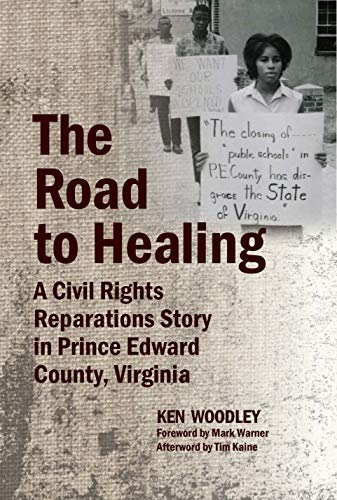
A Civil Rights Reparations Story: The Road to Healing in Prince Edward County, Virginia, by Ken Woodley, is his first-person account of the steps taken in recent yea