Notes: Brand New Item. Not shipped to AK, HI, APO, FPO, AE.
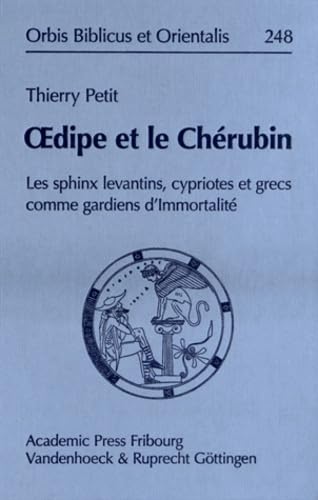
This study explores the iconographical and functional filiation between the Near-Eastern kerub and the Cypriot and Greek sphinxes. In biblical texts as well as in Near Eastern iconography, the sphinx guarded the Tree of Life, a metaphor for the Afterlife. The tutelary deity - most often a goddess, except in the kingdom of Judah - guaranteed survival in the afterlife, especially to the (God-)King. This was also the case in Cyprus, where contextual analysis shows that the Great Goddess played a similar role with regards to local dynasties. In both cases, the sphinx assisted the deity, and ensured passage toward the Tree of Life - or, in certain cases, denied access to it. Beginning with the well-known scene on the Vatican cup, analysis of the different forms taken by the creature in Greece (where it acquired the namesphinx) shows that it had the same function. This was so both in vase painting, where it appeared most often in theheraldicposition, and in statuary, as the upper part of funerary steles or seated on top of columns. In the latter cases, the volutes or palmettes placed immeditately below were a synecdoche (pars pro toto) for the Tree of Life. The same conclusion can be drawn from theOedipeanscenes (one or several men facing the sphinx). Often found in funerary contexts, these representations actually had an eschatological meaning. Evidence shows that these beliefs were transmitted from the Near East (including Egypt) to the Aegean, where they were particularly introduced inOrphicand Dionysian contexts.