ShopSpell

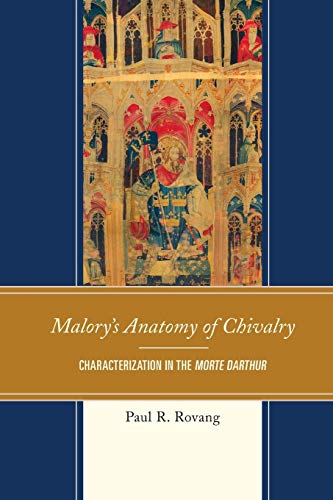
Malory's Anatomy of Chivalry: Characterization in the Morte Darthur [Paperback]

$60.99       (Free Shipping)
100 available
  • Seller: ShopSpell
  • Ships in: 2 business days
  • Transit time: Up to 5 business days
  • Delivery by: Nov 18 to Nov 20
  • Notes: Brand New Item. Not shipped to AK, HI, APO, FPO, AE.
This book is the first systematic study in decades of Malorys development of his characters in the Morte Darthur. Focusing on sixteen key figures in the most important medieval English treatment of the Arthurian saga, it examines Malorys thematic characterization of individual rulers, knights, and ladies in keeping with the twin trajectories of his history of the Round Table and fifteenth-century English history. Looking at how Malory develops his characters as exemplars of kingship, knighthood, and womanhood, the book traces the medieval authors exploration of the values constituting chivalry as embodied in individual characters, a process that enabled him to formulate a vision of those values for his own troubled period of the Wars of the Roses. This book further explores the contribution Malorys art of characterization makes to the literary and aesthetic power of the Morte Darthur. Each chapters focus on individual characters makes the book not only an integrated thematic overview, but also a useful reference for focused study of particular Arthurian figures. As such, the book is designed to meet the interests and needs of both professional scholars and students of Arthurian and medieval literature.Paul Rovang is professor of English at Edinboro University of Pennsylvania.

Each of this book's 15 chapters treats a character found in Malorys Morte Darthur . . . As the title reveals, this study of Malorys construction of character focuses on the roles that chivalry, kingship, and womanhood play in shaping a characters trajectory over the course of the text. Rovang is a good close reader of Malory, and . . . the chapters benefit from his familiarity with the characters, plots, subplots, and themes that abound in the Morte. Some of the especially good chapters (e.g., those on Palomides and The Lady of the Lake) serve as fine introductions to the characters and what scholars have said about them. . . .Rovang . . . demonstrate[s] the interconnectedness o

Add Review